Custom 3D Casted and Printed Orthotics

Overview

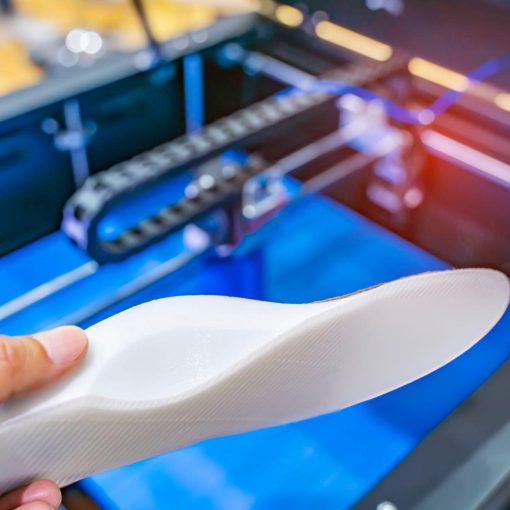
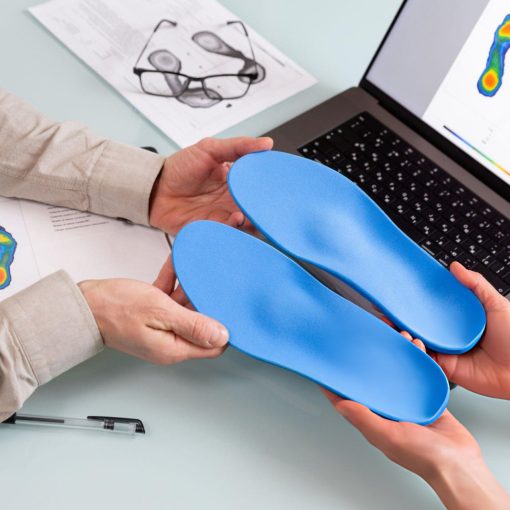
Custom foot orthotics are specialised medical devices designed to support, align, and improve the function of the feet and lower limbs. Unlike generic insoles, custom orthotics are tailored to the unique biomechanics, anatomy, and needs of each patient. Traditionally, orthotics have been made from casts or foam impressions of the feet. More recently, digital technology and 3D printing have introduced a new era of orthotic design and production.

Both approaches—3D-printed orthotics and casted orthotics—have distinct processes, advantages, and clinical applications. Understanding the differences helps practitioners and patients choose the most suitable option for comfort, function, and long-term outcomes.
Play Video
Key Benefits
Unmatched Precision: Digital scans ensure extremely accurate replication of the foot’s anatomy.

Rapid Turnaround: From scan to final orthotic can be as quick as 24–48 hours—ideal for athletes and patients who need fast relief.

Lightweight and Strong: 3D-printed materials are both durable and lighter than traditional shells, reducing shoe bulk and improving comfort.

Customisable Design: Advanced software allows the creation of lattice structures, pressure-offloading zones, and specific stiffness gradients that can’t be achieved with conventional methods.

Digital Storage & Replication: Patient designs are saved digitally, making re-ordering or modifying orthotics fast and consistent.

Reduced Waste: Additive manufacturing uses only the material required, making it more environmentally sustainable.

Aesthetic and Modern: Patients often appreciate the modern, sleek look of 3D-printed devices.
What is the difference between 3D-printed and casted orthotics?

Both are fully customised to your feet. 3D-printed orthotics use digital scans and advanced printing technology for precision and quick turnaround. Casted orthotics use traditional plaster or foam impressions, which are then handcrafted into orthotics. Both options deliver excellent results, but your podiatrist will recommend the best method for your needs.

How long does it take to get custom orthotics?
Do custom orthotics hurt to wear at first?
Will they fit in all of my shoes?
How long do custom orthotics last?
Are they covered by private health insurance or NDIS?
Do children need custom orthotics?
Conditions Custom Orthotics Treat

Plantar Fasciopathy & Heel Pain
Provides arch and heel support to reduce strain on the plantar fascia.

Posterior Tibialis Tendon Dysfunction
Improves foot alignment, reduces overpronation and compression, and prevents overload.

Adult Acquired Flat Foot Deformity (Pes Planus)
Improves foot alignment, reduces overpronation, and prevents fatigue.

High Arches (Pes Cavus)
Cushions the foot, distributes pressure, and reduces stress on joints.

Bunions & Forefoot Pain
Offloads pressure from the big toe joint and improves comfort in shoes.

Shin Splints
Corrects foot mechanics that contribute to tibial stress and overuse.

Knee, Hip & Lower Back Pain
Improves alignment from the ground up, reducing strain on joints and spine.

Achilles Tendinopathy
Supports heel position, reducing load on the Achilles tendon.

Metatarsalgia & Ball-of-Foot Pain
Cushions and redistributes pressure across the forefoot.

Arthritis & Joint Pain
Provides stability and shock absorption for stiff or painful joints.

Diabetic Foot Complications
Reduces pressure points and prevents ulceration with protective offloading.

Sports Injuries & Overuse Syndromes
Enhances biomechanics to prevent recurrent injuries in active patients.

Paediatric Conditions (e.g., in-toeing, out-toeing, Sever’s disease)
Guides foot development and relieves pain in growing children.

The Process

Assessment & Gait Analysis

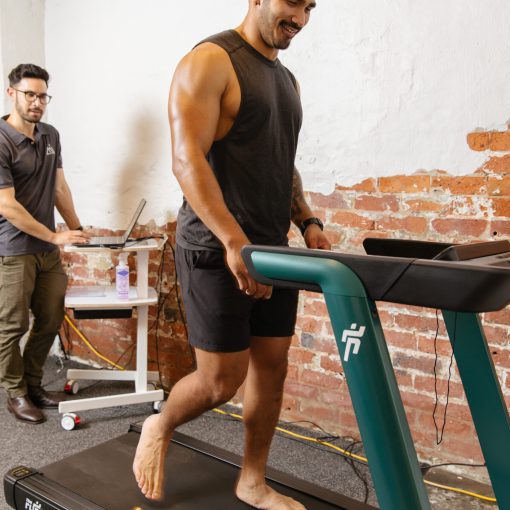
Your podiatrist carefully examines your feet, walking pattern, and overall biomechanics. This includes 3D foot scanning, Zebris pressure plated gait analysis, or pressure mapping. The goal is to understand how your feet move, identify problem areas, and design a solution tailored to your needs.
dl.beatsnoop.com-3000-BPGM5r2tlN

Design and Prescription

Based on the assessment, a custom orthotic design is created. This includes choosing the right support, cushioning, and corrections for your condition. The prescription is completely personalised — whether for sports performance, everyday comfort, or managing medical conditions.
dl.beatsnoop.com-3000-DMkJIUYwi5

Fabrication and Fitting

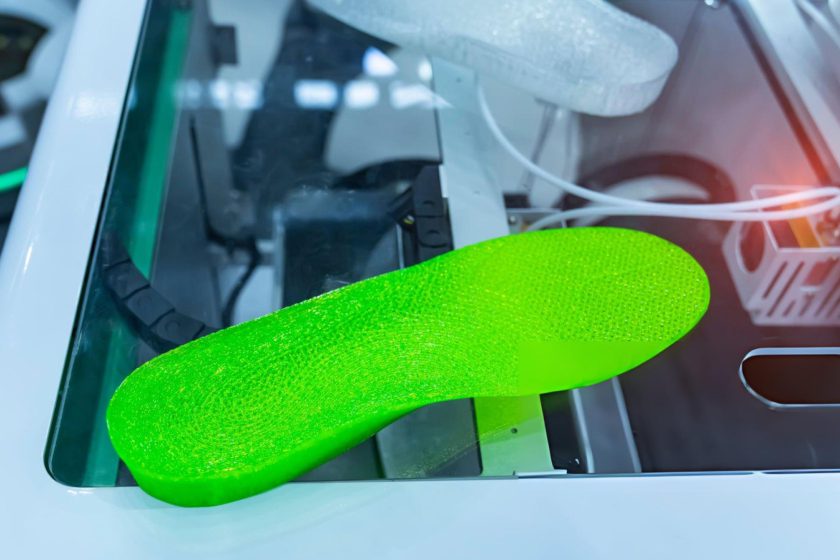
Your orthotics are manufactured using advanced 3D printing technology and 3D casting methods. Once ready, they are fitted to your shoes and checked for comfort and function. Adjustments can be made to ensure the perfect fit and long-term results.