
Custom Orthotics

Are custom orthotics worth it?

Absolutely. If you’re weighing up the value of custom orthotics vs chemist-bought insoles, the key difference is personalisation. Keep reading to learn what custom orthotics are and why they’re often a smart long-term investment in your foot health.

What is a custom orthotic?

A custom orthotic is a prescription device crafted from a precise 3D impression of your feet. It’s made specifically for you to support, improve, or correct foot posture and to help manage the particular foot issues you’re experiencing—rather than offering one-size-fits-all cushioning.

Why they matter

Many of the problems we treat arise from abnormal foot and lower-limb mechanics. These imbalances can influence not just your feet, but also your knees, hips, pelvis, and spine. Addressing the mechanics with a device tailored to your anatomy can reduce pain, improve function, and help prevent ongoing strain.


Are custom orthotics necessary?

Custom orthotics are prescribed devices tailored to your condition, foot type, body weight, and activity goals. Compared with off-the-shelf options, they typically provide greater control and are more durable.

To achieve biomechanical correction, we use high-density foams and plastics. These can feel a bit firm at first, but they usually become comfortable as your feet adapt.

The evidence shows that, for many people, custom orthotics can reduce pain and limit future problems. That said, not everyone needs them. We also specialise in footwear prescription—and often, a few simple shoe changes or practical tips are enough.

Bottom line: we only recommend custom orthotics when they’re clinically necessary and likely to deliver a meaningful benefit for you.

How are custom orthotics made?

Custom orthotics start with a thorough podiatry assessment. We discuss when and how your symptoms began, your medical history, footwear, activities, and goals. This is followed by a foot and lower-limb examination and a visual gait assessment (how you walk or run).

If there’s any concern about underlying pathology, we’ll refer for imaging (e.g., X-ray or ultrasound) to clarify the diagnosis.

Using your symptoms, diagnosis, activity level, and footwear needs, we create a tailored orthotic prescription—often based on a precise 3D foot scan or cast. The prescription specifies geometry and materials to achieve the right support and correction.

Your prescription is then sent to a specialist orthotic laboratory, where your devices are precision-made and hand-finished by skilled technicians. Once ready, we fit the orthotics in your shoes, make any fine adjustments, and arrange a review to ensure comfort, function, and long-term results.

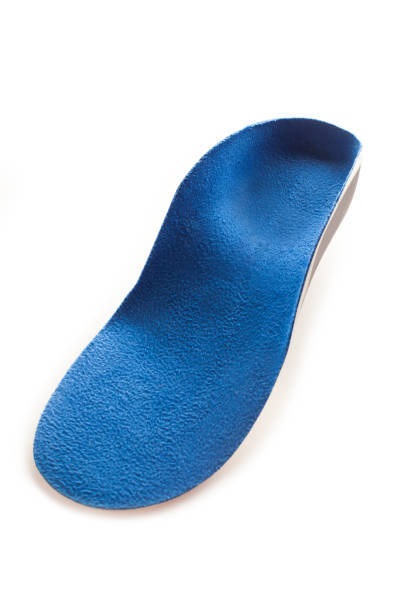
Full Length Orthotics

For removable-footbed shoes

Ideal: Running • Work boots • Enclosed

• Forefoot cushion = comfort + stability • Stays put — less forward slide • More surface area → spreads pressure
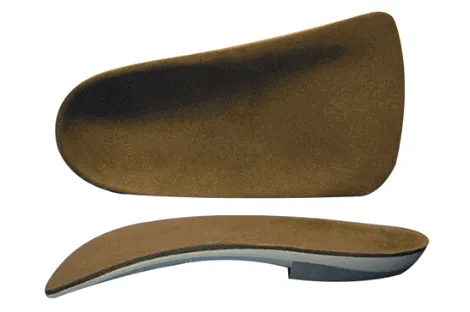
3/4-Length Orthotics

Ideal: Dress & narrow shoes • Versatile • Lightweight • Easy to fit
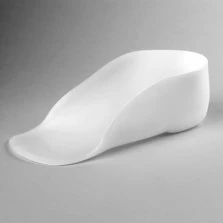
Children's Orthotic

Kids’ Orthotic Ideal: School shoes • Runners • Boots • Slim, durable, easy-swap • Heel control + arch support Helps: Sever’s • In/out-toeing • Flexible flat feet • Growing pains
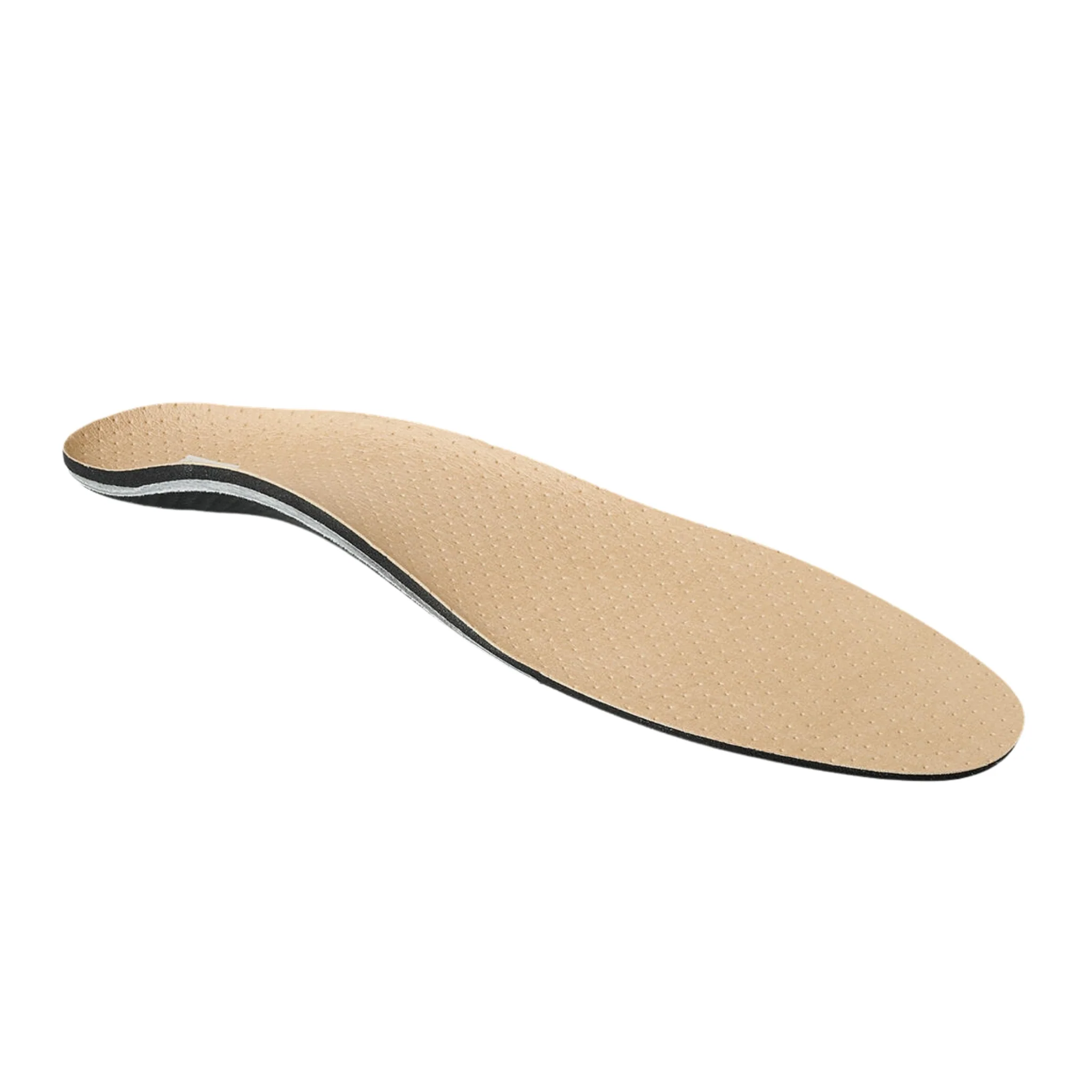
Slim-Fit Orthotic

For tight/narrow footwear Ideal: Flats • Dress • Boots • Cushioned forefoot • Slim profile, full function • Lightweight
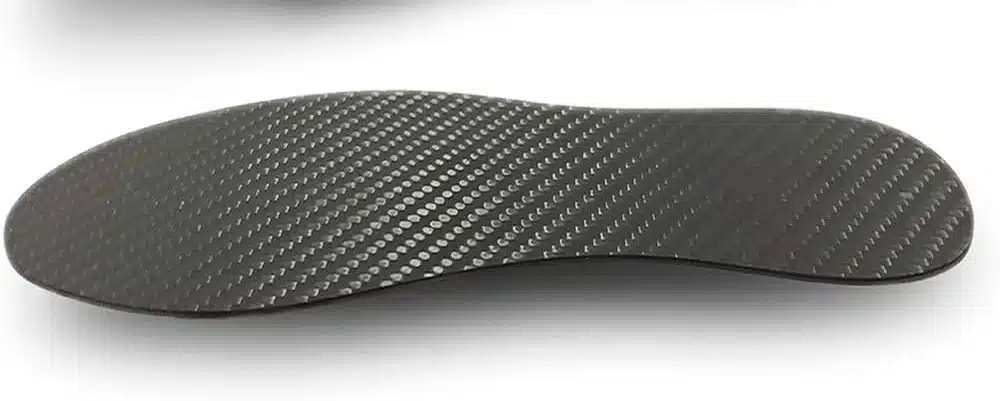
Carbon Orthotic

A carbon-fibre (graphite) device for slim, dress-ready support. Ideal Shoes: Men’s & women’s dress shoes, cycling, soccer/football Features: • Strong & durable • Flexible/ responsive feel • Ultra-lightweight

FAQ

Why are custom orthotics so expensive?

Custom orthotics are prescription medical devices. Your fee covers:

  • Comprehensive assessment: history, exam, gait analysis.
  • Precision capture: 3D scans or casts and footwear review.
  • Bespoke design: CAD/CAM prescription tailored to your diagnosis, activity and shoes.
  • Premium materials & fabrication: specialist lab production and hand finishing.
  • Fitting & follow-up: adjustments and reviews to ensure long-term comfort and function.

Most pairs are ready in 1–2 weeks. With digital 3D printing, turnaround can be 24–72 hours, depending on complexity and materials.

We’ll book a fitting appointment, guide you through a short break-in schedule, and make fine-tune adjustments if needed.

Your podiatrist performs the assessment and writes a detailed orthotic prescription based on your 3D scans/casts, diagnosis, activity, and footwear.

The devices are then produced by a specialist orthotic laboratory (or in-house CAD/CAM), and hand-finished by trained technicians. We complete the process with fitting, shoe integration, and follow-up.

Yes. Materials compress and edges can wear with mileage. Typical lifespan is 2–5 years (kids may outgrow sooner; high-volume athletes may replace earlier).

Time for a review if you notice: loss of support, new or returning pain, cracks, or significant changes in activity/weight. Many devices can be refurbished (e.g., top cover replacement, posting tweaks) to extend life.

In Australia, Medicare generally does not cover the orthotic devices themselves.

  • You may claim a consultation rebate with a GP CDM (Allied Health) referral.
  • Private health extras often contribute to orthotics and fittings (level of cover varies).
  • DVA and NDIS funding may apply for eligible patients.

Keep receipts and item codes for claiming. We can provide supporting documentation as needed.

Usually 2–5 years, depending on activity level, body weight, footwear, and materials.

We recommend an annual review to check wear, make adjustments, and discuss refurbishment options that can extend the device’s lifespan and performance.

Footwear for Orthotics
Your shoes make a big difference to how well orthotics work. Wearing properly fitting, orthotic-friendly footwear improves support and comfort, and helps avoid fit issues.

Choose shoes with:

  • An enclosed heel and firm heel counter
  • A firm, torsionally stable midsole
  • A broad, stable base (wide midsole/outsole)
  • A removable footbed to accommodate the orthotic
  • Enough depth and width for your foot shape
  • Minimal heel height (low heel/drop)

Modern orthotic-friendly shoes come in plenty of styles—no need for clunky footwear anymore.