Orthotics

Thinking about getting orthotics but not sure where to begin?

Curious about how podiatry-designed orthotics differ from the off-the-shelf ones at the pharmacy — and whether they’re really worth the investment?
Discover what orthotics are, how they work, and the role they play in managing and relieving common foot conditions.

What is an orthotic?

What Are Orthotics?
Orthotics are custom shoe inserts designed to support and correct the way your feet move. They come in a variety of styles, materials, and features, depending on where they’re made and the specific needs of the patient.

A Brief History of Orthotics
Orthotics have been used for hundreds of years to relieve foot pain and improve mobility. While early designs were made from metal, modern orthotics use advanced plastics and specialised materials, offering far greater comfort, durability, and a tailored fit. Today’s orthotics are created to provide the best possible solution for people who rely on them daily.

Podiatrists and Orthotic Therapy
Podiatrists are highly trained in foot anatomy and biomechanics, with expertise in prescribing orthotics as part of treatment. At our clinics, we carefully assess each patient’s symptoms, footwear, lifestyle, and activity levels before recommending the most effective orthotic therapy to restore comfort and function.

How Do Orthotics Work?

One of the most common questions we hear from patients is how orthotics actually help. As podiatrists, our aim with orthotic therapy is to reduce the harmful forces acting on the feet, so we can relieve pain, improve function, and support injury recovery.

Managing Ground Reaction Forces

Every time you stand, walk, or run, your feet absorb pressure from the ground — known as ground reaction force. Orthotics are designed to redistribute these forces, guiding the foot into better alignment and reducing excess stress on vulnerable areas. This improves the way your feet move and helps protect them from injury. Think of them as a tissue stress deflection tool.

Orthotic Design

The design of your orthotics will depend on the condition being treated and where your foot pain is located. By carefully adding specific features, orthotics can adjust how force is distributed through the foot—changing its location, strength, and timing. These forces, when left unchecked, are often the main cause of most mechanical foot and ankle injuries we see and treat every day.

Neurofeedback

Orthotics don’t just support your feet—they also help your brain. When you wear them, they provide sensory feedback that tells your brain how your foot is moving. This allows your brain to adjust your walking pattern, improving movement, reducing pain, and lowering the risk of injury.

Different Types of Orthotics

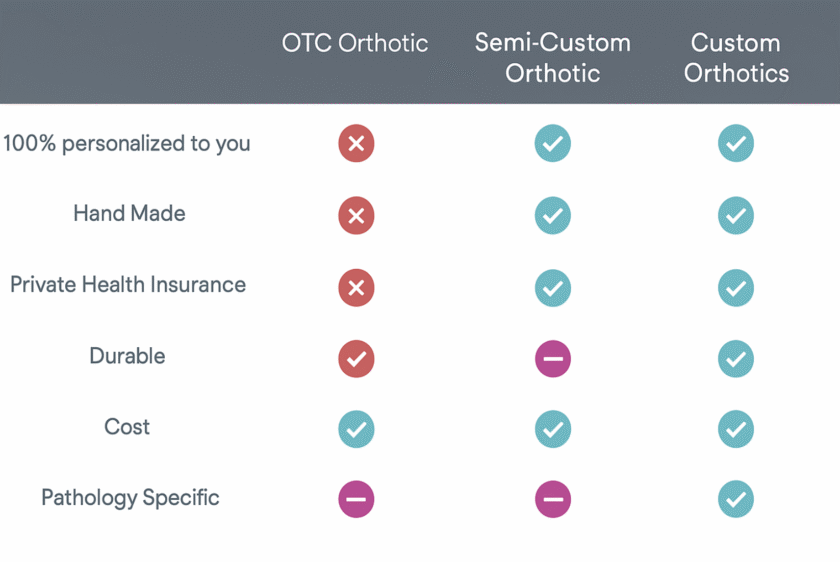
Not all orthotics are created the same. The materials, design, and method of construction greatly affect their purpose, durability, and cost.

Pre-fabricated orthotics

These are the ready-made inserts you’ll find at a pharmacy or sports store, sized to match your shoe. Some people find them comfortable and effective for easing mild foot pain. They usually come in a standard shape, though some brands offer variations such as “low arch” or “high arch.” While convenient and affordable, OTC orthotics often don’t fit every foot type and usually wear out quickly because of their basic materials.

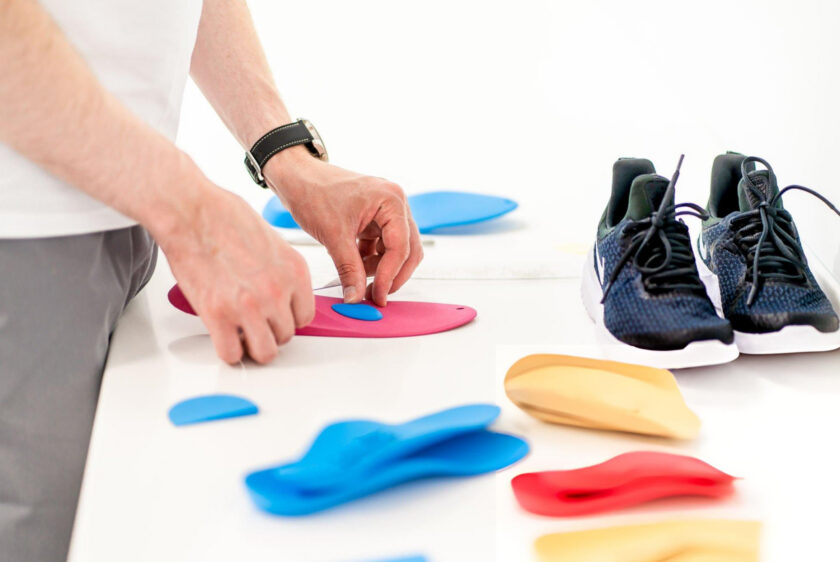
These offer a step up in personalisation. A podiatrist creates them in the clinic by taking an impression or mould of your foot, often using silicon. Warm materials are then shaped to match the mould, and once cooled, form an orthotic designed more closely for your feet. They provide better durability and comfort compared to OTC devices, but are still limited in customisation.

These are the gold standard in foot support. Using either plaster casts or advanced 3D scanning, podiatrists capture an exact model of your foot. A specialised lab then designs and builds orthotics tailored precisely to your unique needs and prescription. Every element—from support to cushioning—is carefully considered. While they take more time and expertise to create, they provide the best long-term outcomes, durability, and comfort.

Process

Assessment
Orthotic therapy is a step-by-step process. When you visit us for an assessment, we take a thorough look at your medical history, footwear, and biomechanics to understand your needs. Rest assured, we only recommend orthotics when they’re truly necessary and tailored to support your foot health.

Step 1: Assessment

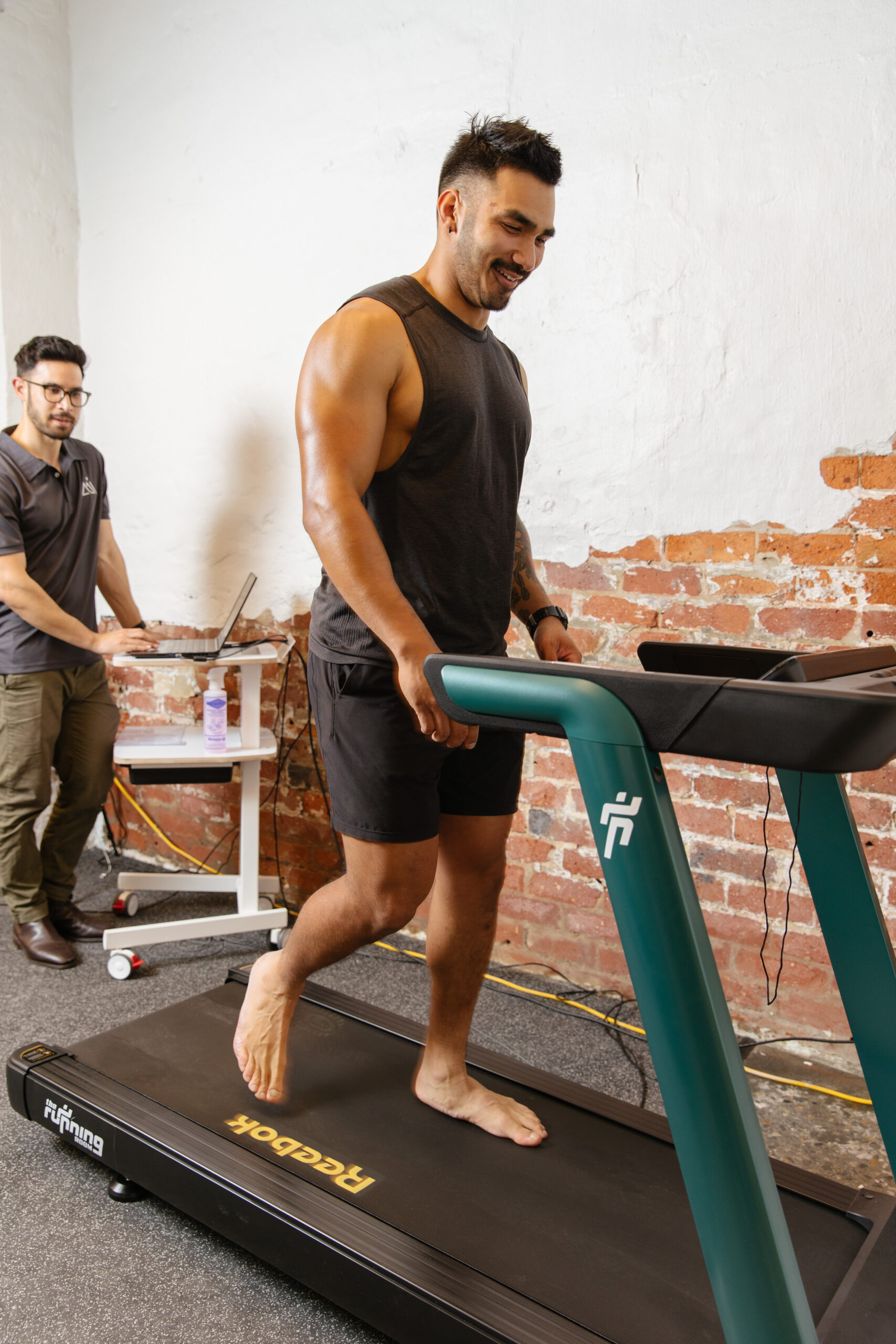
We begin with a comprehensive foot assessment, which includes a review of your medical and footwear history, along with a visual gait assessment. This helps us understand how your feet function and whether orthotics are the right option for you.
Step 2: Orthotic Selection

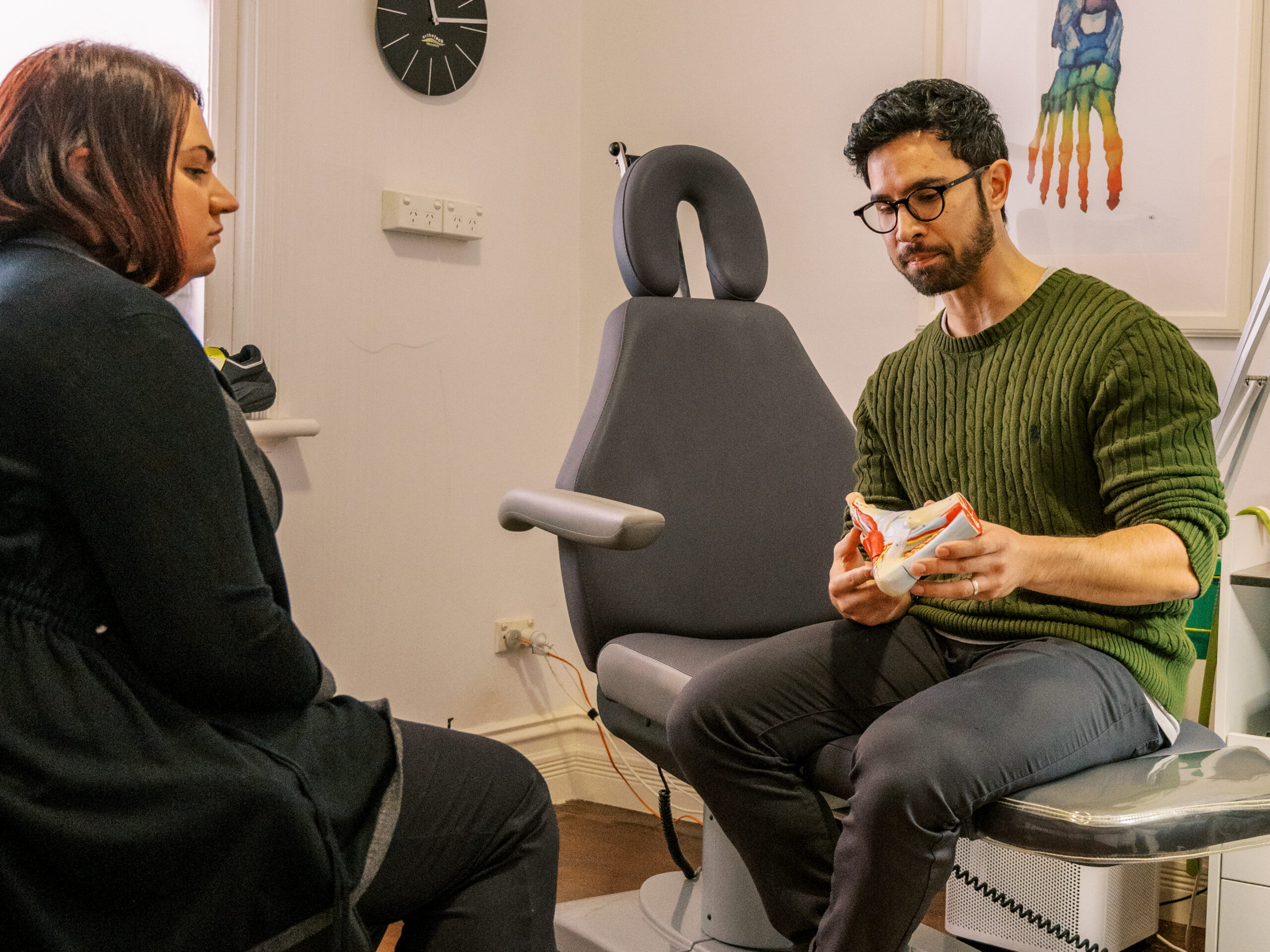
Based on your assessment, your podiatrist will recommend the most suitable orthotic options to meet your clinical needs. Together, we’ll discuss these choices so you can decide which option best suits you.
Step 3: Orthotic Fitting

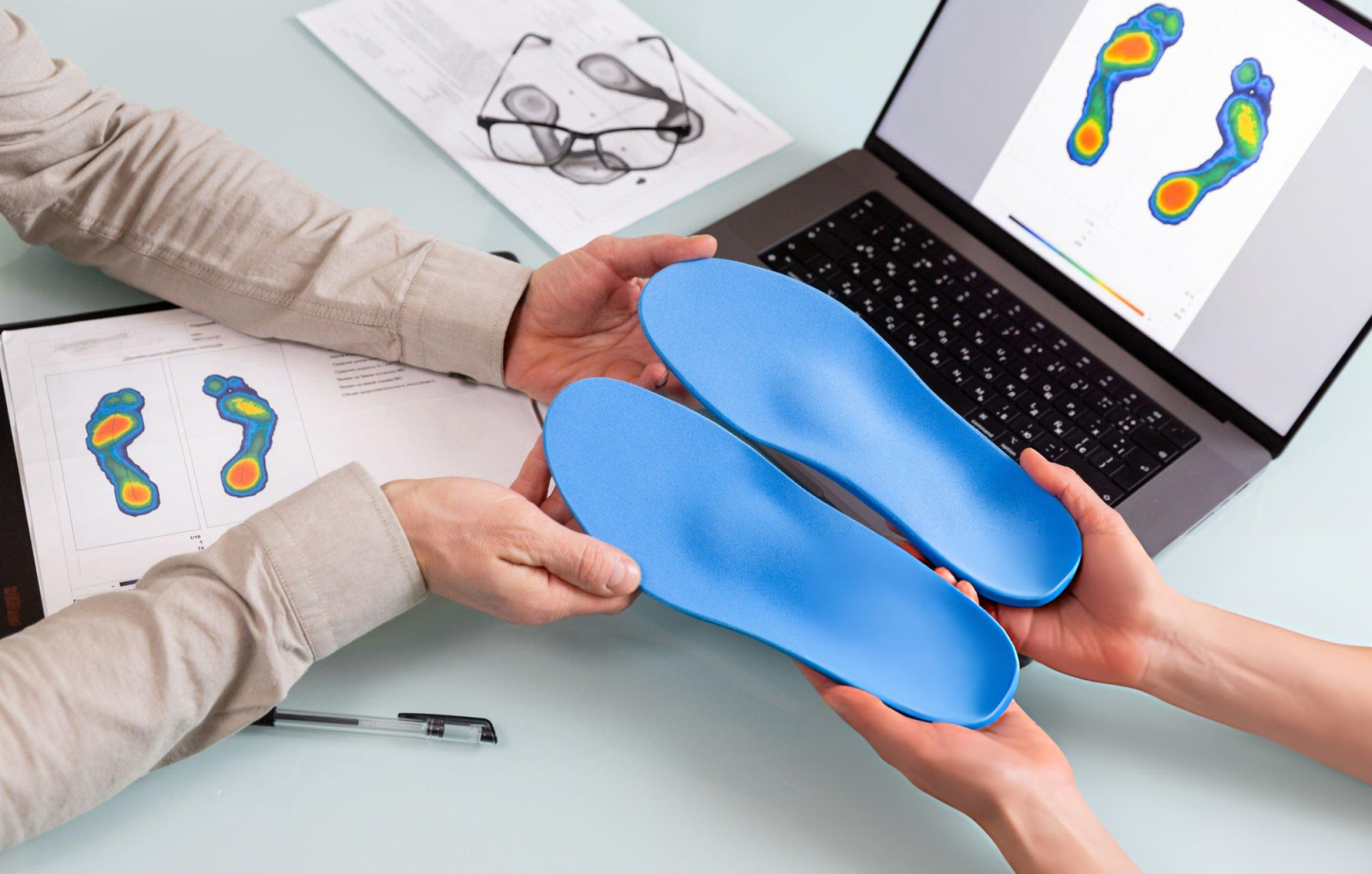
Once your orthotics are ready, we’ll fit them into your chosen footwear to ensure comfort and proper alignment. At this stage, we’ll also book a six-week review to check your progress.

Step 4: Review

Your podiatrist will review how your orthotics are performing at the follow-up. If any adjustments or modifications are required, they will be made to optimise fit, function, and comfort.
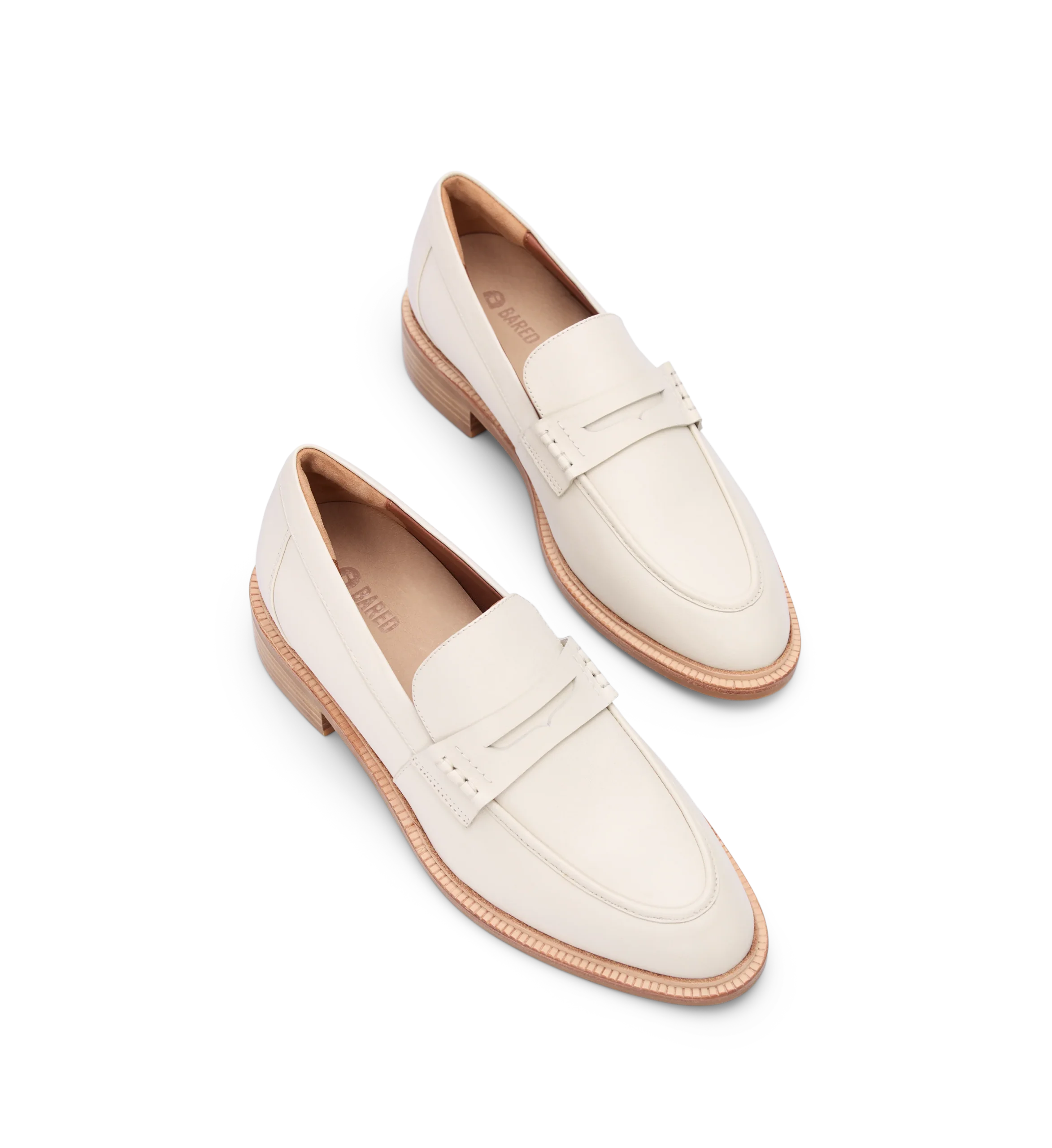
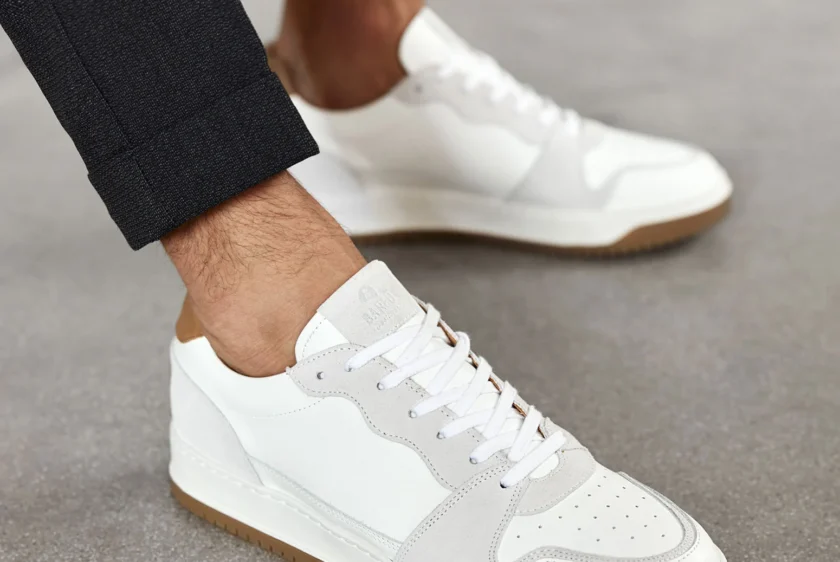
What footwear can I wear my orthotics with?

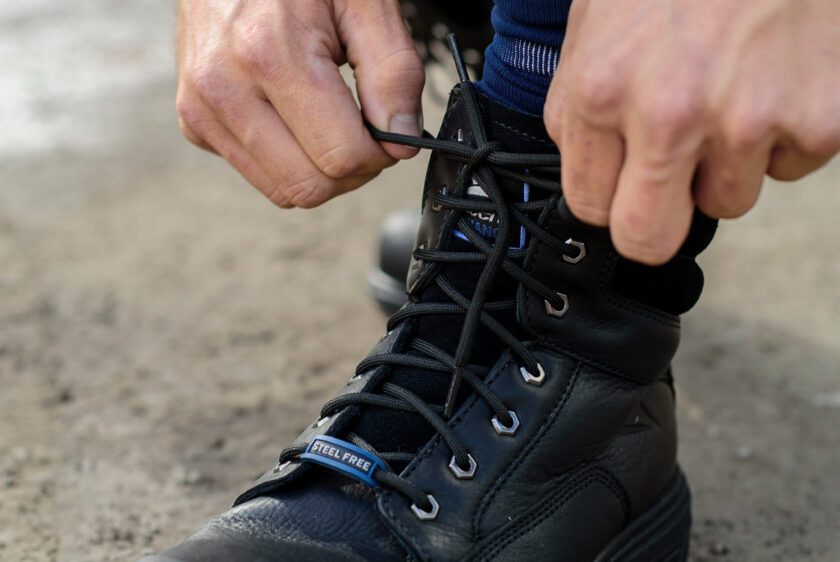
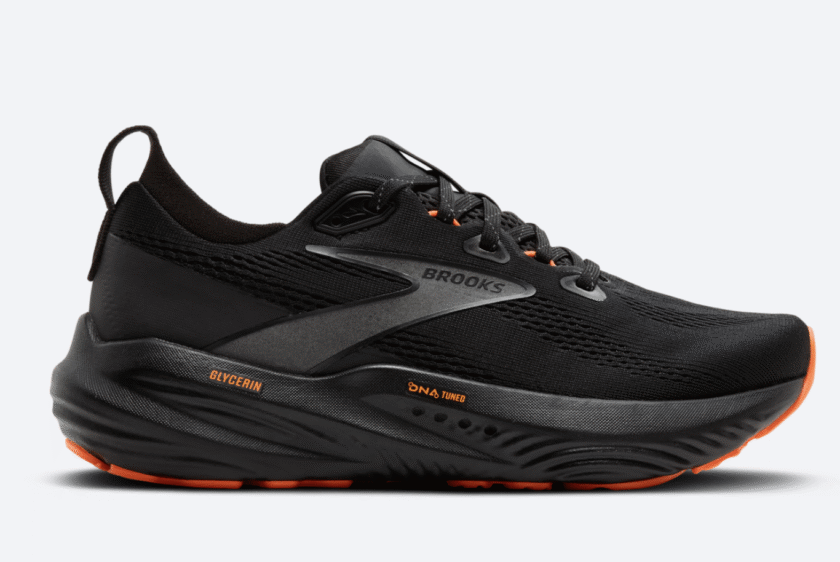
The shoes you choose are just as important as the orthotics themselves. Wearing well-fitted, orthotic-friendly shoes ensures your orthotics work effectively and helps avoid fit or comfort issues.

Look for shoes that have:

  • An enclosed heel with a firm heel counter
  • A supportive, firm midsole
  • A wide midsole for stability
  • A removable footbed (to make room for your orthotics)
  • Enough depth and width to accommodate your feet comfortably
  • Minimal heel height

The good news is, orthotic-friendly footwear has come a long way. You no longer have to settle for clunky, unattractive shoes—modern designs combine comfort, function, and style.

Orthotics Myths

Orthotics are an important tool in managing foot and lower limb problems, but they’re not without their controversies. Over the years, many myths and misconceptions have developed about what orthotics can and can’t do. To help clear things up, here are some of the most common myths about orthotics—along with clear, evidence-based answers from our podiatrists.

Myth 1: Orthotics are only for flat feet

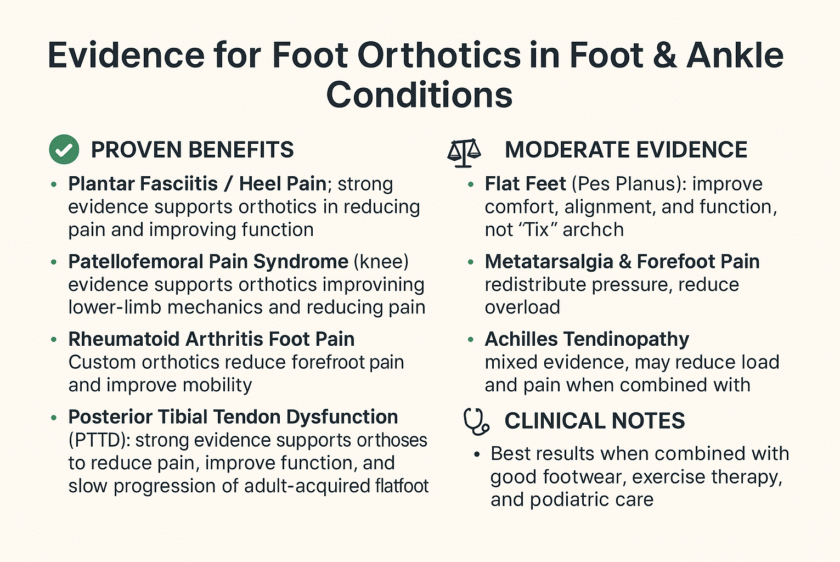
Orthotics aren’t just for people with flat feet. They can be prescribed for a wide range of foot types and conditions, helping to improve function, reduce pain, and support better movement for many different patients.

Orthotics aren’t designed to make your feet hurt — they’re designed to help. Depending on your condition and activity, they can be made from different materials, ranging from firm for support to soft for cushioning. The goal of orthotic therapy is always to treat your foot problem, not create discomfort. If your orthotics are painful to wear, it’s important to see your podiatrist so adjustments can be made.

Orthotics don’t immobilise your feet or make them weaker. Instead, they work by redistributing excessive forces that cause pain and injury. Since you’re constantly using your feet when standing, walking, or running, it’s very unlikely that orthotics will lead to weakness.

If you already have reduced strength in key foot or leg muscles — especially if you’re involved in demanding activities like running or professional dancing — strengthening exercises are often recommended alongside orthotic therapy to keep your feet performing at their best.

This is a common misconception. Shoes and orthotics work together, and wearing poor-fitting or inappropriate footwear can actually reduce the effectiveness of your orthotics. For the best results, orthotics should always be paired with supportive, well-fitted shoes that complement their function.

Not all OTC orthotics are the same. Some are highly specialised and durable and can be effective in treatment especially in children. However, sometimes they might not be therapeutic and you may require a custom made orthotic.

FAQs

Do orthotics wear out?

Yes, orthotics do wear out over time. The materials and how often you use them determine their lifespan. If you’re very active (e.g., running or sport), ask your podiatrist about more durable options.

A podiatrist prescribes orthotics after a full assessment. In our case, a specialist will incorporate our podiatric prescription form and then use Computer-Assisted Design to create a 3D print file. They’re then printed in-house using advanced materials and technology for a precise fit.

Some Skechers have memory foam or non-removable insoles that can affect fit. If the model has a removable footbed and enough depth, orthotics may fit. Check with your podiatrist before buying.

Orthotics don’t reverse a bunion, but they can reduce pain, slow progression, and improve function by redistributing pressure away from the big toe joint.

Medicare generally doesn’t cover custom orthotics. If eligible for a Chronic Disease Management (EPC) plan, Medicare may help with podiatry consults. Private health insurance often provides rebates for orthotics.

It depends on your foot type, condition, footwear, and activity. After a biomechanical assessment, your podiatrist may recommend OTC, semi-custom, or fully custom orthotics.

Orthotics won’t “fix” flat feet, but they can support the arch, improve function, and reduce pain and strain during daily activity and sport.

Often, yes. Improving foot posture can enhance lower-limb alignment and reduce stress on the knees. Your podiatrist can advise if orthotics are appropriate for your case.