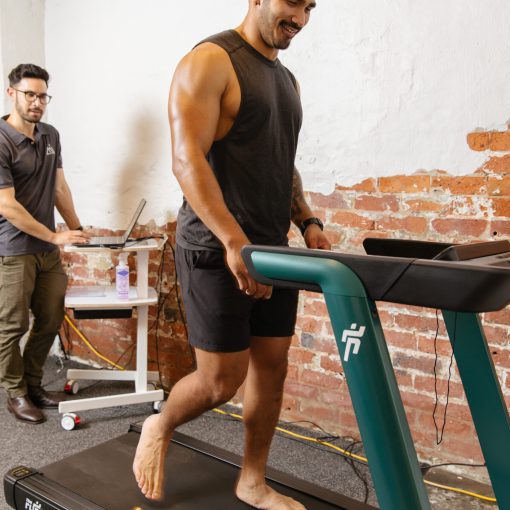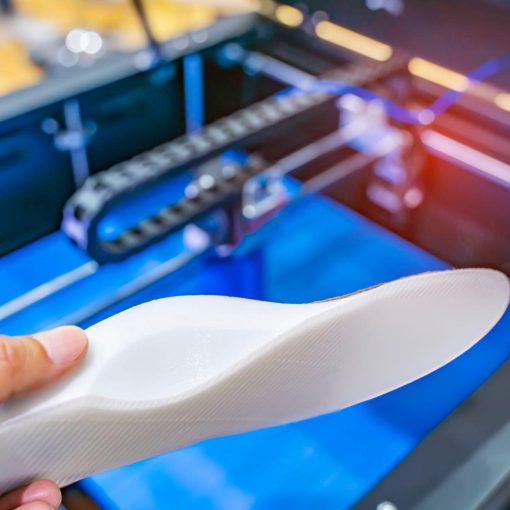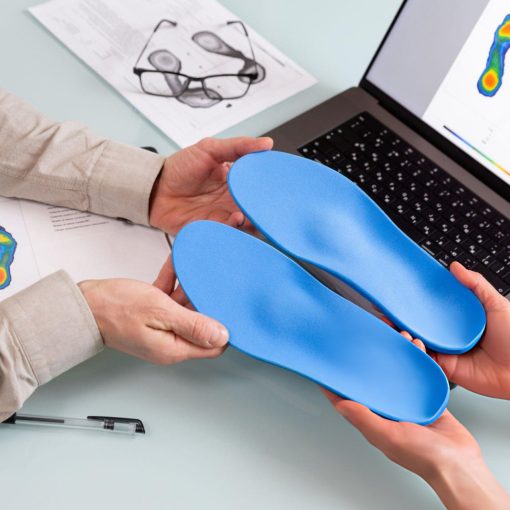
Custom foot orthotics are specialised medical devices designed to support, align, and improve the function of the feet and lower limbs. Unlike generic insoles, custom orthotics are tailored to the unique biomechanics, anatomy, and needs of each patient. Traditionally, orthotics have been made from casts or foam impressions of the feet. More recently, digital technology and 3D printing have introduced a new era of orthotic design and production.
Both approaches—3D-printed orthotics and casted orthotics—have distinct processes, advantages, and clinical applications. Understanding the differences helps practitioners and patients choose the most suitable option for comfort, function, and long-term outcomes.
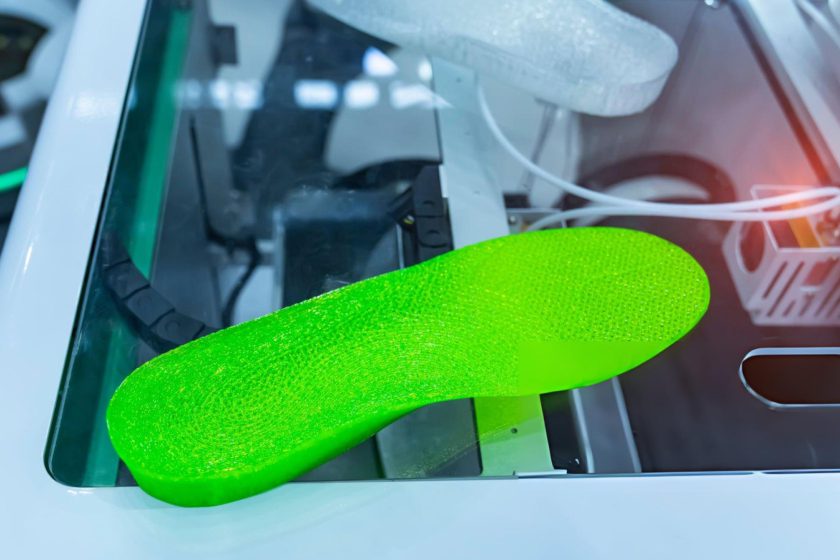
Both are fully customised to your feet. 3D-printed orthotics use digital scans and advanced printing technology for precision and quick turnaround. Casted orthotics use traditional plaster or foam impressions, which are then handcrafted into orthotics. Both options deliver excellent results, but your podiatrist will recommend the best method for your needs.
With digital scanning and 3D printing, orthotics can be ready in as little as 24–48 hours. Casted orthotics usually take 1–3 weeks depending on the lab process.
It’s normal to take a short adjustment period (usually 1–2 weeks) as your feet and body adapt to better alignment but they should be comfortable from the very beginning. Most patients feel relief within days, and your podiatrist can make fine adjustments if needed.
Custom orthotics are designed with your footwear in mind. They can be slim for dress shoes, cushioned for runners, or supportive for everyday wear. In some cases, you may need different pairs for different shoe types.
Download DocumentOn average, 2–4 years depending on your activity level, body weight, and the type of material used. 3D-printed orthotics often last longer due to advanced materials and structural design. In any case, generally the top cover and cushioning elements would need changing first but they should be assessed at regular intervals or at least annually to make ensure they are in suitable condition.
Download DocumentYes, most private health insurers provide rebates under podiatry or orthotics. Many patients also receive support through NDIS if medically required.
Download DocumentIn some cases, yes. Custom orthotics can help guide growing feet, support flat feet, or reduce pain from conditions like Sever’s disease. Your podiatrist will assess whether orthotics are necessary or if pre-fabricated devices can be suitable.
Download DocumentPlantar Fasciopathy & Heel Pain
Provides arch and heel support to reduce strain on the plantar fascia.
Posterior Tibialis Tendon Dysfunction
Improves foot alignment, reduces overpronation and compression, and prevents overload.
Adult Acquired Flat Foot Deformity (Pes Planus)
Improves foot alignment, reduces overpronation, and prevents fatigue.
High Arches (Pes Cavus)
Cushions the foot, distributes pressure, and reduces stress on joints.
Bunions & Forefoot Pain
Offloads pressure from the big toe joint and improves comfort in shoes.
Shin Splints
Corrects foot mechanics that contribute to tibial stress and overuse.
Knee, Hip & Lower Back Pain
Improves alignment from the ground up, reducing strain on joints and spine.
Achilles Tendinopathy
Supports heel position, reducing load on the Achilles tendon.
Metatarsalgia & Ball-of-Foot Pain
Cushions and redistributes pressure across the forefoot.
Arthritis & Joint Pain
Provides stability and shock absorption for stiff or painful joints.
Diabetic Foot Complications
Reduces pressure points and prevents ulceration with protective offloading.
Sports Injuries & Overuse Syndromes
Enhances biomechanics to prevent recurrent injuries in active patients.
Paediatric Conditions (e.g., in-toeing, out-toeing, Sever’s disease)
Guides foot development and relieves pain in growing children.