

If you’ve noticed your child’s feet turning inward, having flat arches, or if they often complain of foot pain, it’s natural to worry. While many children’s foot and gait issues resolve as they grow, it’s worthwhile to have a professional assessment. At our Perth clinic, we offer gentle, evidence-based solutions to support healthy foot development.
Often, simple steps like proper footwear, movement exercises, and time are enough. But for cases that need more intervention, orthotics may be part of the solution. Our podiatrists conduct a detailed evaluation to find the root cause of alignment or gait concerns—whether it’s flat feet, in-toeing, or other gait irregularities—and then recommend an individualized treatment plan that minimally impacts a child’s natural walking pattern.
Before considering orthotic therapy, our podiatrists look at:
Because many developmental foot issues improve over time, we often start with observation and non-invasive treatments. Orthotics are only recommended when clearly necessary after a thorough clinical assessment.
Premade orthotics are off-the-shelf inserts and can be a cost-effective option for growing children. Clinical studies show they often offer results comparable to custom orthotics in many cases.
Custom orthotics, conversely, are crafted using a 3D scan or mould of the child’s foot. This allows more precise fit, tailored support, and better comfort—especially beneficial in more complex or symptomatic cases.
At our clinic, we offer both options and guide families on the most suitable choice depending on the child’s needs, growth stage, and clinical findings.
This presents as low arches and an outward-leaning heel. It’s important to distinguish flexible flat feet from rigid or structurally complex conditions—only the flexible type typically responds well to orthotic support. Potential underlying causes (e.g. ligament laxity, neurological conditions, bone structure anomalies) are carefully screened out.
When orthotics are warranted, they’re designed to stabilize and align the foot and to offload areas under pressure—without stunting the child’s natural development.
Also called “pigeon-toeing,” in-toeing is common in children. Many outgrow it. However, if it worsens, leads to frequent tripping, or causes discomfort, intervention may be needed. Beyond monitoring, treatments may include repositioning strategies, exercises, footwear modifications, and sometimes gait-control plates (a kind of customised orthotic) to guide better alignment.
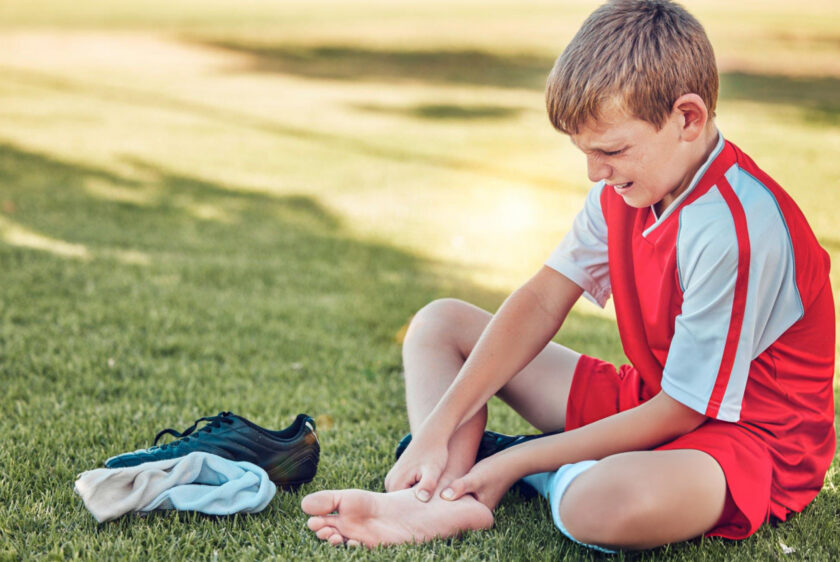
This condition causes heel pain in children aged roughly 8–12, due to inflammation at the heel’s growth plate. It’s often aggravated by tight calves or overuse in sports. Orthotics with a small heel lift, cushioning, and pronation control can reduce strain on the heel and ease symptoms during recovery.
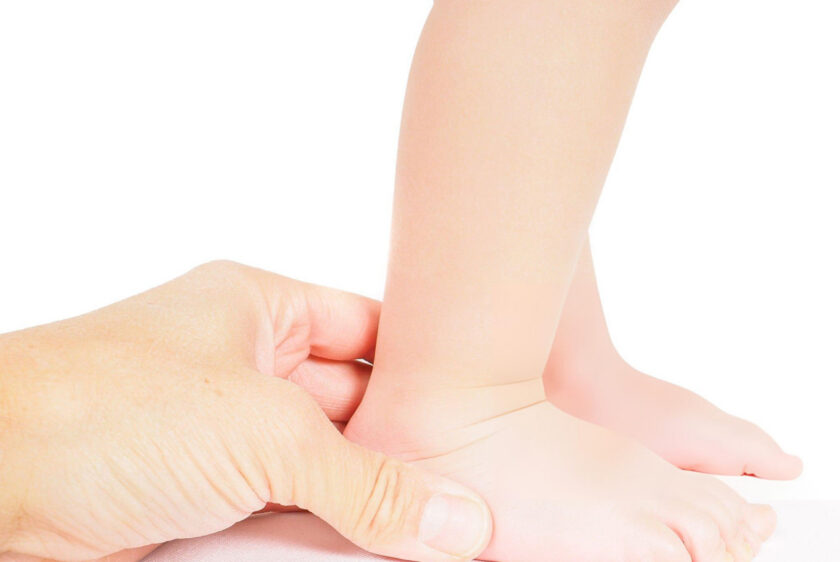
Children’s feet change over time. That’s why we revisit every child at 6- or 12-month intervals to evaluate progress and adjust treatment as needed. As symptoms improve or alignment shifts, orthotic use may be modified or ceased altogether.
Many private health insurance plans in Australia include podiatry and orthotic coverage—check your policy to see your entitlements. Below is a sample pricing outline (these are illustrative and may differ):
| Service / Item | Example Price* |
|---|---|
| Assessment & gait analysis | ~ $200 |
| Premade children’s orthotic (1 pair) | ~ $200 |
| Custom-made children’s orthotic | ~ $650–$700 |
* Prices can vary by material, complexity, lab costs, and insurer item codes.
We can help you understand which rebates you may be eligible for. Some plans cover part of the cost of podiatry or orthotic services.
Custom orthotics can last over three years if well maintained. If the top layer is worn, this can often be replaced. But if the structural shell is damaged or distorted, replacement orthotics may be needed.
Not necessarily. At each review we reassess and modify or discontinue use if no longer needed.
They require individual fabrication, specialized materials, and precise manufacturing. We strive to balance quality and affordability.
Premade orthotics may take up to a week depending on stock. Custom ones often take around two weeks, depending on lab processing.
It depends on your policy. Orthotic services may be eligible for rebates, but Medicare does not cover them.
If you’d like personalised assessment or want to explore how children’s orthotics could help in Perth, get in touch or book an appointment. We’re happy to guide you through the options and support your child’s foot health journey.